The Weight of Always Remembering
In a world where every message, photo, and memory is automatically backed up to the cloud, forgetting has become a lost art. We’re encouraged to document everything, from our morning coffee to major life events, and store it all forever. But this constant act of remembering can come at a cost.
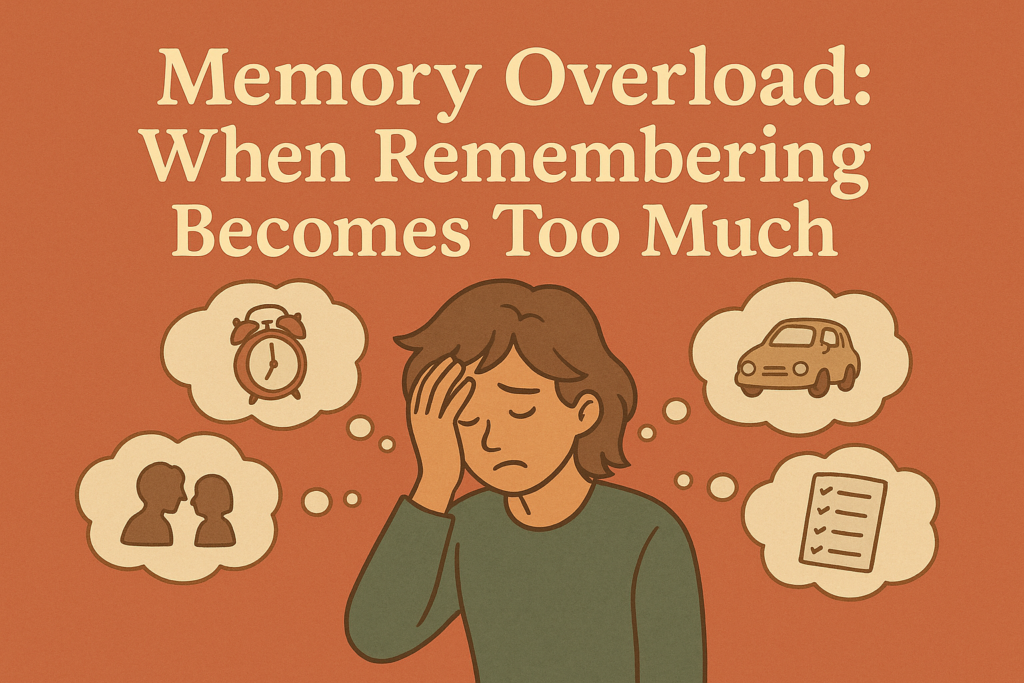
Welcome to the age of memory burnout. It’s the feeling of emotional fatigue that comes not from forgetting, but from remembering too much.
What Is Memory Burnout?
Memory burnout is the mental exhaustion that results from constant exposure to digital memories. It’s the overwhelm of seeing old notifications, timehop alerts, Google Photos reminders, and memory reels, all flooding your consciousness with “this day two years ago” nostalgia, whether you want it or not.
It’s the inability to delete. The fear that something might one day be meaningful. The paralysis of choosing what’s worth saving, and the emotional toll of holding onto too much.
We were never built to carry every moment.
The Psychology Behind It
Human memory is selective for a reason. Our brains evolved to prioritise certain memories, those that help us survive, form relationships, and navigate the world. Forgetting is a natural and necessary process. In fact, the science of why we forget within minutes reveals just how aggressively the brain filters information by design.
But digital tools bypass that filter. They preserve everything, whether it’s meaningful or not. That birthday party you didn’t enjoy? Still in the cloud. That toxic relationship? Still archived in messages. That random Tuesday selfie? Still on your camera roll.
As a result, we’re exposed to emotional flashbacks without context, triggering anxiety, regret, or overstimulation. The memory isn’t gone, but the meaning is blurred.
Signs You Might Be Experiencing Memory Burnout
- You feel emotionally drained by “memory reminders.”
- You avoid looking at your photo gallery or camera roll.
- You struggle to delete or let go of digital content.
- You feel guilt for not capturing everything.
- You have thousands of unsorted photos or notes and no idea where to start.
- You experience nostalgia that feels more painful than joyful.
Sound familiar? You’re not alone, and you’re not doing memory wrong. You’re just doing it in a system that was never designed for your wellbeing.
How the Digital World Traps Us in the Past
Social media encourages the performance of memory. “Here’s what I did,” “Look at who I was with,” “Remember this?”
But when the platform becomes the memory keeper, we lose control. We scroll through curated highlight reels, ours and others, until memory itself feels like a burden. Instead of helping us reflect, digital memory traps us in loops.
We stop living in the moment, fearing it won’t be captured “properly.” Or worse, we relive painful memories not because we want to, but because the algorithm decides it’s time to.
Why Intentional Memory Keeping Matters
The solution isn’t to stop remembering. It’s to remember with purpose.
Intentional memory keeping is about choosing what to save, how to frame it, and when to revisit it. It’s the digital equivalent of curating a personal museum, not a chaotic warehouse.
This approach doesn’t mean cutting off the past. It means giving it structure. You decide:
- What’s worth preserving
- Who it’s meant for
- When it should resurface
- How it makes you feel
This shift from passive to active memory makes all the difference in reducing burnout.
How TimeLock Can Help
TimeLock was built for this exact purpose, to give memory breathing space.
It lets you create digital time capsules with intention:
- Capture only the moments that mean something
- Add context: notes, voice memos, media, and meaning
- Lock them away until a future moment of your choosing
- Reopen them when you’re ready, not when an app decides
This isn’t just digital storage. It’s emotional design. A way to remember on your terms.
Instead of constant reminders and disorganised archives, TimeLock offers focused reflection. No burnout. No chaos. Just memory, mindfully managed.
Letting Go Is Part of the Process
Not every moment deserves a monument. Some memories fade, and that’s healthy. The pressure to keep everything is unsustainable.
Just like we declutter our homes or inboxes, we need to declutter our memory banks. Ask yourself:
- Do I need this photo?
- Will this matter to me in 5 years?
- Am I keeping this out of joy or guilt?
Time Lock encourages this reflection. It helps you let go of the noise so you can hold onto the signal.
In a World of Too Much, Choose Less
Memory burnout is a modern condition, but it doesn’t have to be permanent. By reclaiming control over how you store and revisit your memories, you reduce stress, improve mental clarity, and strengthen the emotional impact of what really matters.
TimeLock isn’t about remembering everything. It’s about remembering the right things.
Because when we remember with purpose, we live with more peace.
Related Blog Posts to Explore
- Time Capsules vs. Cloud Storage: What’s the Real Difference?
- The Rise of MemoryTech: Apps That Preserve Your Life
- Top 5 Apps for Preserving Digital Memories in 2025
- Best Inspirational Quotes to Revisit in 5 Years
Join us on the mission.
LinkedIn | Instagram | Pinterest
If memory burnout resonates, you might also enjoy memory fasting: the case for saving less, but with purpose.