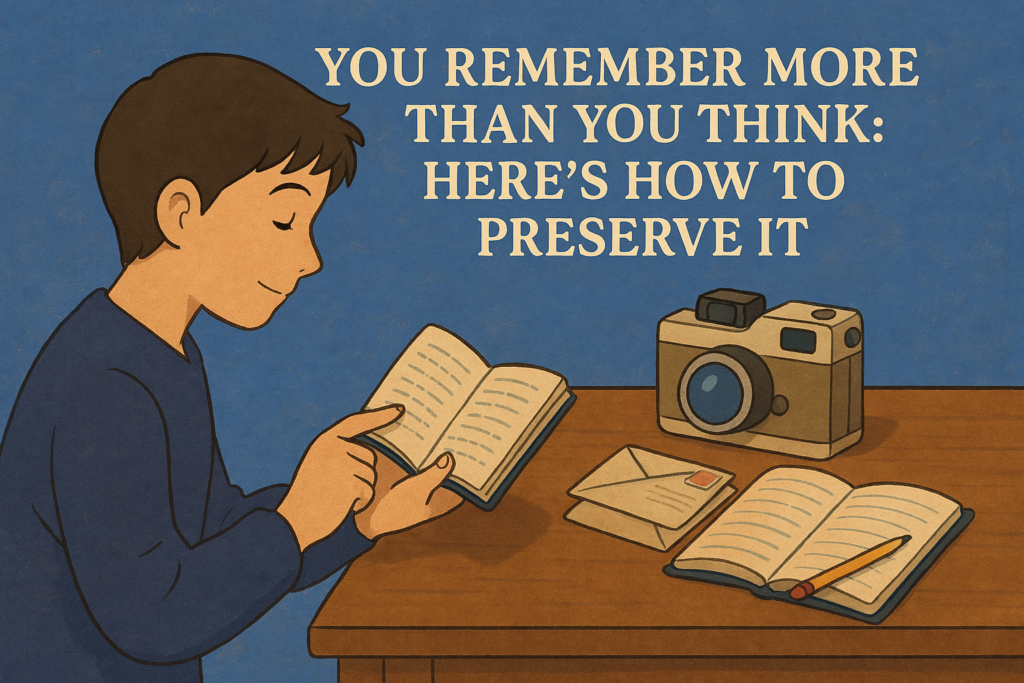

In a world where everything is saved, do we actually remember anything?
Scroll through your phone’s camera roll, chances are, you’ve got thousands of photos, dozens of videos, and countless screenshots. But how many of them do you actually revisit? How many still make you feel something?
This is where the idea of memory fasting comes in, a digital wellness practice that encourages us to save less but save with intention. It’s not about deleting memories, but about curating what really matters.
The Problem with Over-Saving
We live in a time where capturing every moment is effortless. But just because we can, doesn’t mean we should.
- Too many saved memories dilute the emotional impact of each one.
- Constant documentation pulls us out of the present moment.
- Memory clutter leads to digital fatigue and decision overload.
Like junk food for the mind, over-saving leaves us bloated with content but starved of meaning.
What Is Memory Fasting?
Think of memory fasting like intermittent fasting, but for your camera roll. Instead of mindlessly saving every moment, you choose to capture only the memories that matter deeply.
It’s not about scarcity. It’s about intentionality.
- Fewer, richer memories: By capturing less, each saved moment becomes more significant.
- Emotional filtering: Save what moves you, not what gets the most likes.
- Delayed saving: Wait until the end of the day or week to reflect on what truly deserves a place in your timeline.
Memory fasting is not anti-technology; it’s pro-meaning.
The Science Backs It Up
Research in cognitive psychology shows that when we offload memory to devices (a phenomenon called “photo-taking impairment effect”), we actually remember less.
But when we engage selectively, we retain more emotional detail and context. This is why curating memories, instead of dumping everything into the cloud, leads to stronger recollection and deeper reflection.
In short: saving everything leads to remembering nothing.
How TimeLock Encourages Mindful Memory
At TimeLock, we’re building an ecosystem that aligns with the memory fasting philosophy.
Our app isn’t just about storing data; it’s about preserving meaning.
- Curated Capsules: You don’t save everything. You choose what goes in, just like a time capsule should be.
- Scheduled Unlocking: You don’t scroll endlessly. You revisit when it matters.
- Written Reflections: Each memory has context, what you felt, what you learned, who you were.
TimeLock makes it easy to pause, reflect, and remember with purpose.
A Practical Guide to Start Memory Fasting
Want to give it a try? Here’s how:
- Review Weekly: At the end of each week, look at your saved photos. Delete anything that doesn’t hold meaning.
- Set a Limit: Only allow yourself to save 5–10 media items per major event or outing.
- Add Emotion Tags: When saving a memory, write a quick note about how it made you feel.
- Use TimeLock: Instead of cluttering your gallery, drop your best memories into a capsule and lock it away.
- Reflect Monthly: Revisit your capsules once a month. Notice what you’re glad you saved, and what you didn’t need.
Less Is More. Especially with Memories.
Memory fasting isn’t about restriction, it’s about re-prioritisation. In an age of endless digital noise, the ability to choose what we save becomes an act of self-awareness.
Your life isn’t defined by the number of pictures you take. It’s defined by the moments that truly meant something.
So next time you reach for your phone, ask yourself: Will I want to remember this, or am I just trying not to forget it?
Save with purpose. Remember with clarity. Try TimeLock, and start your first memory fast today.
Other Reads You Might Like:
- What to Put in a Time Capsule: 50+ Ideas for Every Milestone
- Digital Time Capsules: The Future of Memory Keeping
- How Different Cultures Celebrate Memory Keeping
- Quote Capsules: Weekly Inspiration to Send to the Future
Join us on the mission.