Rethinking Modern Memory Keeping
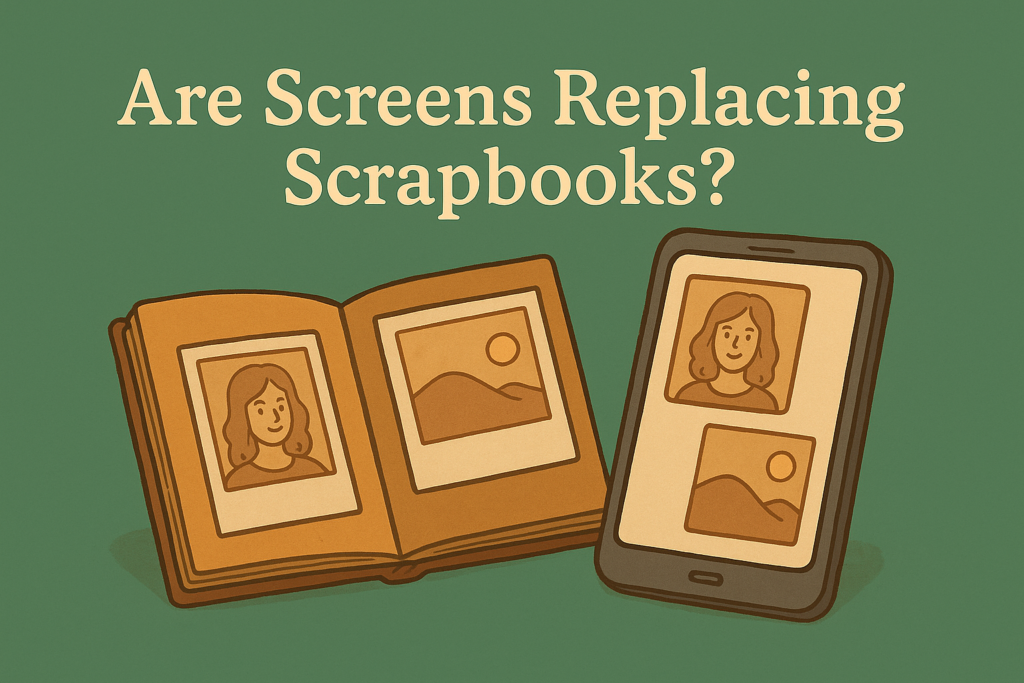
In the past, memory keeping was a physical ritual: handwritten notes, Polaroids, ticket stubs tucked between pages, and handcrafted scrapbooks lined with stickers and mementos. Each page told a story, curated slowly, thoughtfully, and intimately. Fast-forward to today, and that ritual now lives mostly behind screens. Photos are swiped through instead of flipped through. Memories are shared in seconds, not savoured over years.
But is the shift from physical to digital helping us preserve more, or making us feel less? This article explores the evolution of memory keeping, why the change happened, and what it means for the future.
From Paper to Pixel: How Memory Keeping Went Digital
The rise of smartphones and social media has transformed how we capture and preserve our memories. Platforms like Instagram, Google Photos, and Facebook now serve as our living scrapbooks. Instead of a printed photo album, we scroll through our lives in the cloud.
Convenience and accessibility are the main reasons digital memory keeping has surged. You don’t need glue sticks or time; you just need a device and storage space. Albums can now hold thousands of photos, instantly searchable and backed up forever. In theory, that should mean our memories are safer and more complete than ever.
The Illusion of Permanence
Yet this abundance has created a new problem: digital clutter. Most of us are storing thousands of photos we’ll never look at again. Screens are filled with duplicates, screenshots, and throwaway snaps, diluting the emotional weight of truly meaningful moments.
Physical scrapbooks, by contrast, required curation. You had to choose what was worth keeping, which moments deserved space. That process gave memories value. In a digital world, where every moment can be saved, it’s harder to know which ones matter.
Emotional Connection: Why Tangibility Still Matters
There’s something powerful about touch. Holding a photograph. Turning the page of a scrapbook made by hand. These experiences activate our senses and deepen emotional memory. Neuroscience supports this, physical interaction with objects often strengthens memory retention and emotional response.
Digital memory keeping, while efficient, often lacks that intimacy. Swiping doesn’t feel the same as flipping. Photos on a screen are fleeting, easily forgotten in a sea of pixels.
New Tools for a New Era
Despite these challenges, the shift to digital isn’t all bad. In fact, it opens the door to entirely new ways of remembering—interactive timelines, collaborative albums, time capsules, and memory-triggered notifications. Apps like TimeLock take memory keeping a step further, letting users save personal moments and lock them away until the future.
This concept blends the best of both worlds: the intentionality of scrapbooks with the power of digital permanence. It’s less about documenting everything, and more about capturing meaning.
Are We Losing Something?
There’s growing concern that memory keeping in the digital age is becoming more performative than personal. Platforms encourage us to post for likes rather than for legacy. We record moments to share, not to preserve.
Scrapbooks were never meant to go viral. They were private, often deeply personal. They captured raw emotion, not edited perfection. As we move toward digital-first memory keeping, we risk losing the quiet intimacy that physical formats provided.
The Case for Hybrid Memory Keeping
The solution isn’t to abandon digital memory keeping—it’s to be more mindful about how we use it. Hybrid approaches are growing in popularity. Think: digital memory capsules you can lock for future release, printed photo books made from cloud albums, journaling apps that combine writing with images and voice notes.
The key is intentionality. Whether digital or physical, memory keeping should feel purposeful, not passive. If we can slow down and choose what to save—and why, we can retain the emotional depth of scrapbooks with the convenience of screens.
Conclusion: It’s Not Screens vs Scrapbooks, It’s About Meaning
Technology isn’t the enemy of memory, it’s the tool we use. The problem arises when we rely on it without direction. Scrapbooks weren’t just photo collections, they were love letters to the past, made with intention. Digital memory tools can serve the same purpose, if we let them.
With platforms like TimeLock, we can return to intentional memory keeping, preserving not just images, but the stories, emotions, and meanings behind them. It’s not about choosing between screens and scrapbooks. It’s about choosing to remember with care.
Related Blog Posts to Explore
- Your Digital Legacy: What Will People Find When You’re Gone?
- Time Capsules vs. Cloud Storage: What’s the Real Difference?
- How Time Lock Is Changing the Way We Remember
- Digital Memory Keeping vs Traditional Journaling
Join us on the mission.