Why We Journal in the First Place
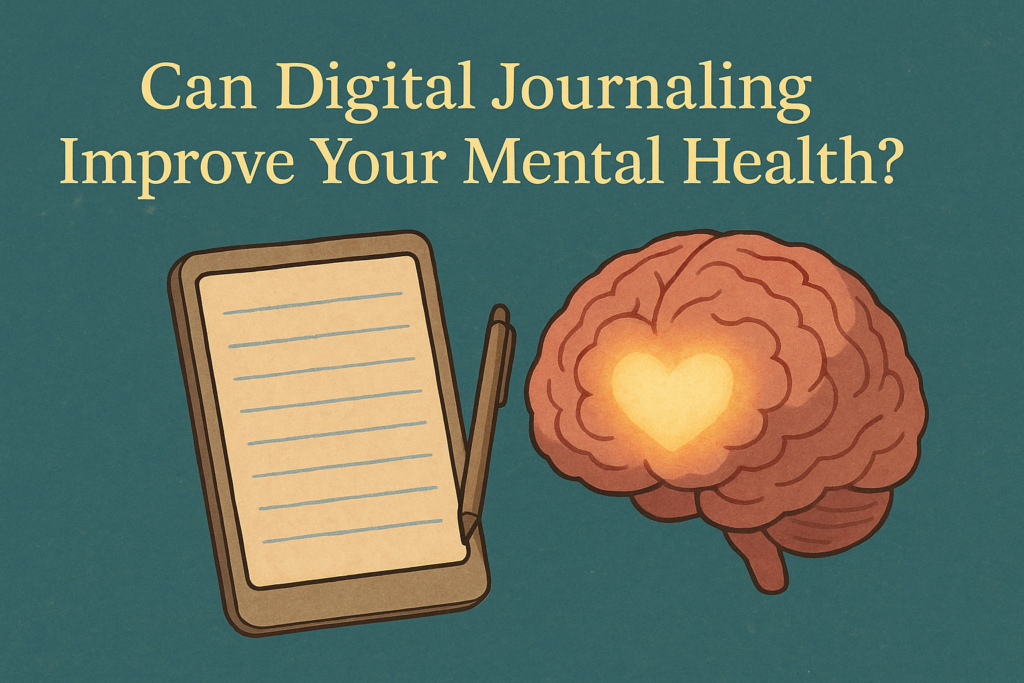
Journaling has long been a tool for processing thoughts, reducing stress, and tracking personal growth. But in a world dominated by screens, the question is:
Does digital journaling offer the same mental health benefits as writing by hand?
Short answer: Yes, and in some cases, even more.
The Mental Health Benefits of Journaling
Whether you’re typing or writing, consistent journaling has been shown to:
- Reduce anxiety and depressive symptoms
- Improve emotional regulation
- Strengthen memory and self-awareness
- Help with problem solving and decision-making
- Boost gratitude and resilience
The key factor? Consistency, not the format.
Why Digital Journaling Works (and Sometimes Wins)
Here’s how digital journaling platforms like Time Lock enhance the traditional journaling experience:
It’s More Accessible
You’re more likely to journal when it’s on your phone. Quick thoughts, venting, or reflections are just a few taps away.
Easier to Organise Your Mind
You can tag emotions, topics, or time periods, making it easier to revisit patterns, track moods, or look back during therapy or personal review.
Secure & Private
No paper trails. No worries about people reading your journal. Most digital tools offer passcodes or encryption.
You Can Set Intentions or Future Messages
Time Lock lets you set capsules to unlock in the future. That adds purpose, a letter to your future self, a capsule for tough days, or a reminder of how far you’ve come.
When Digital Might Not Be Enough
For some people, handwriting helps them slow down and process more deeply. If that’s you, consider doing both, handwritten notes you later snap and store in a digital capsule.
How to Get Started
- Choose a digital platform (TimeLock is built for this — private, easy, intentional).
- Create your first capsule: a daily log, a mental health tracker, or a letter to your future self.
- Be honest, not perfect. You’re not writing for anyone else.
- Set reminders or write when emotions are fresh.
- Revisit old entries regularly. Reflection is the real growth.
Final Thoughts
Journaling doesn’t need to be handwritten to be healing. If anything, digital journaling removes barriers, adds structure, and lets you build a secure emotional archive for future you.
Your mental health deserves that kind of support.
Related Blog Posts to Explore
- Your Digital Legacy: What Will People Find When You’re Gone?
- Digital Will: How to Leave Capsules Behind After You’re Gone
- You Remember More Than You Think: Here’s How to Preserve It
- Digital Love Capsules: Save Your Story Together
Join us on the mission.