From Cave Walls to Cloud Storage: The Memory Shift Explained
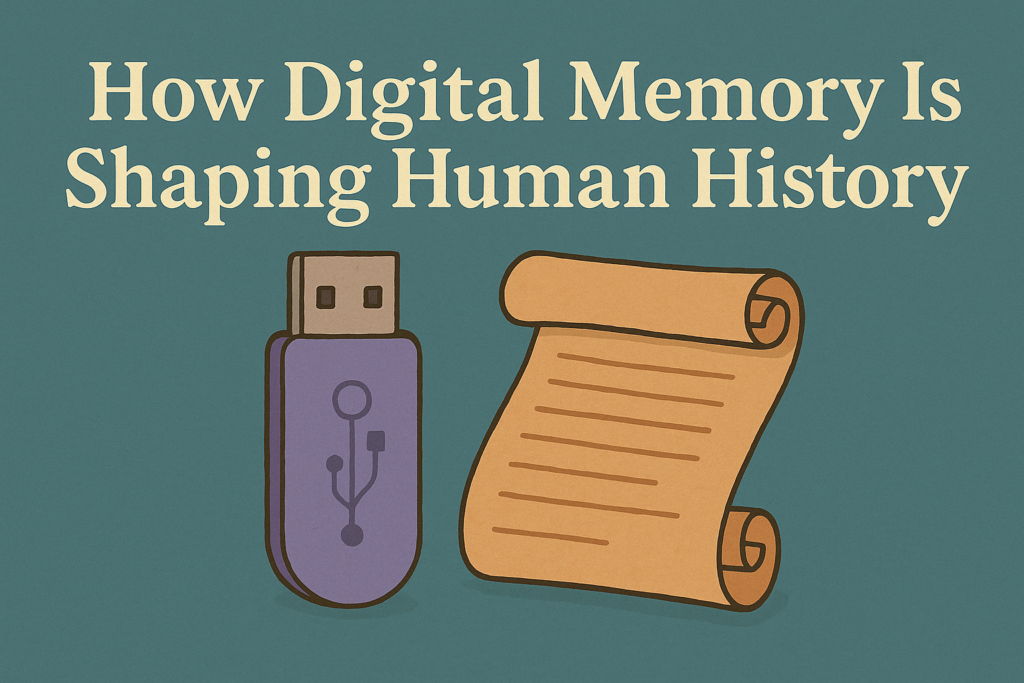
In the past, human memory was preserved through oral tradition, physical artefacts, and handwritten records. Today, memory preservation has evolved, becoming digital, decentralised, and immediate. This shift isn’t just changing how we archive the past, but also how we shape the future.
In this article, we’ll explore the rise of digital memory, how platforms like TimeLock are revolutionising personal and collective remembrance, and what this means for the legacy we leave behind.
The Rise of Digital Memory
We’re producing more content than any generation in history. From photo libraries and voice notes to social media posts and smart device data, the average person now leaves behind a vast digital footprint, whether they intend to or not.
This phenomenon, known as digital memory, refers to the ways in which personal and societal memories are now stored, accessed, and reshaped using digital tools. But while traditional memory fades or deteriorates over time, digital memory can remain indefinitely searchable, replicable, and globally accessible.
Key Drivers Behind the Shift:
- The rise of smartphones and cloud storage
- Social media as a primary form of memory sharing
- Wearables and health data tracking
- AI tools that sort, filter, and even generate memories
Digital memory is no longer just a convenience; it’s becoming a foundational part of how we relate to the past.
From Clay Tablets to Cloud Servers
Throughout history, every civilisation has sought to document its existence. Ancient Mesopotamians used cuneiform tablets. Egyptians built pyramids and filled them with inscriptions. Medieval Europe preserved memories in parchment and bound manuscripts.
Fast forward to the 21st century, memory now lives on the cloud.
What once required libraries and stone walls can now be held on a hard drive or within an app. Platforms like TimeLock give individuals the power to capture, seal, and schedule the release of memories, transforming everyday moments into digital legacies.
We’ve entered an era where memories are no longer passively recalled; they’re actively curated.
The Time Capsule Reimagined
Traditional time capsules were physical containers filled with items and buried with the hope of future discovery. But they had limitations:
- Risk of damage or loss
- Geographic inaccessibility
- Lack of privacy or encryption
- Inability to adapt to evolving media types
Digital time capsules solve these issues. Using apps like Time Lock, users can store:
- Voice memos
- Photos and videos
- Letters to the future
- Milestone moments
- Reflections, dreams, and predictions
These capsules can then be set to open on a specific date, privately or shared with loved ones.
This new model blends emotion, intention, and innovation, creating a form of memory that’s as flexible as it is meaningful.
Collective Memory in the Digital Age
It’s not just individuals preserving their stories. Nations, movements, and entire communities are now archiving history in real time.
- Museums are digitising exhibits
- Activists are live-streaming protests
- Families are uploading photo albums from past generations
- Social platforms are auto-archiving life events
This creates a form of collective digital memory, a layered, global memory bank that future generations will reference to understand the present.
Yet with this comes new challenges: Who owns the data? Who decides what gets remembered? And how do we separate noise from meaning?
Time Lock offers an antidote to the chaos, allowing users to capture only what matters most, sealed away from algorithms and fleeting attention spans.
Digital Memory and Emotional Legacy
Digital memory is not just data, it’s emotion. A voice note from a late parent. A video of a child’s first steps. A letter to your future self. These moments, once lost to time, can now be preserved exactly as they were.
Platforms like Time Lock prioritise intention over instant gratification. They ask: What do you want future-you (or future generations) to remember?
By digitising memory with emotional precision, we’re creating not just files, but future experiences. These digital capsules become time bridges, carrying love, lessons, and identity across decades.
Memory Preservation as a Form of Legacy
Legacy is no longer reserved for the famous or wealthy. Anyone with a smartphone now has the tools to:
- Document their personal story
- Pass down values and beliefs
- Capture the beauty of the everyday
- Create a digital monument to their life
TimeLock empowers users to actively shape the legacy they leave behind.
Whether it’s for your children, your community, or your future self, memory preservation is now a democratic act, accessible, customisable, and deeply human.
The Risks of Forgetting in the Digital Age
While we are documenting more than ever, paradoxically, we may be remembering less.
Why?
- Information overload
- Content consumed but not internalised
- Fleeting digital attention
- Platforms built for engagement, not reflection
Without tools to slow down and intentionally store memories, even our most treasured moments risk being buried in the scroll.
That’s where platforms like TimeLock matter. They aren’t just digital storage — they’re digital meaning.
TimeLock’s Role in Shaping the Future of Memory
At Time Lock, we believe that memory is more than nostalgia — it’s motivation, it’s legacy, it’s self-awareness.
By combining thoughtful design with future-facing tech, we help users:
- Preserve their emotional truths
- Protect their private reflections
- Curate moments worth revisiting
- Build a timeline that speaks louder than a feed
Our mission is simple: Give memories the meaning and protection they deserve.
As society moves faster and attention spans grow shorter, Time Lock offers a place to slow down, reflect, and preserve what truly matters.
Final Thoughts: Memory Is the Mirror of Humanity
The way we remember shapes how we understand the world. As digital memory continues to evolve, so does our collective consciousness.
With tools like TimeLock, we have the ability to ensure our memories aren’t lost to time or diluted by algorithms, but instead preserved intentionally, beautifully, and accessibly.
Your story is worth saving. And now, for the first time in history, the entire world has the tools to do it.
Related Blog Posts to Explore
- Time Capsules vs. Cloud Storage: What’s the Real Difference?
- The Rise of MemoryTech: Apps That Preserve Your Life
- Top 5 Apps for Preserving Digital Memories in 2025
- Best Inspirational Quotes to Revisit in 5 Years
Join us on the mission.