Why Nostalgia Is Driving Culture, Commerce, and Connection
We’re living in an era where memories aren’t just personal, they’re profitable.
From retro reboots to childhood flavours reappearing on supermarket shelves, brands and platforms are capitalising on something timeless: nostalgia. But what’s driving this wave? And how does the memory economy intersect with our personal lives, digital habits, and tools like TimeLock?
Let’s explore why memories matter more than ever, not just to us, but to the world around us.
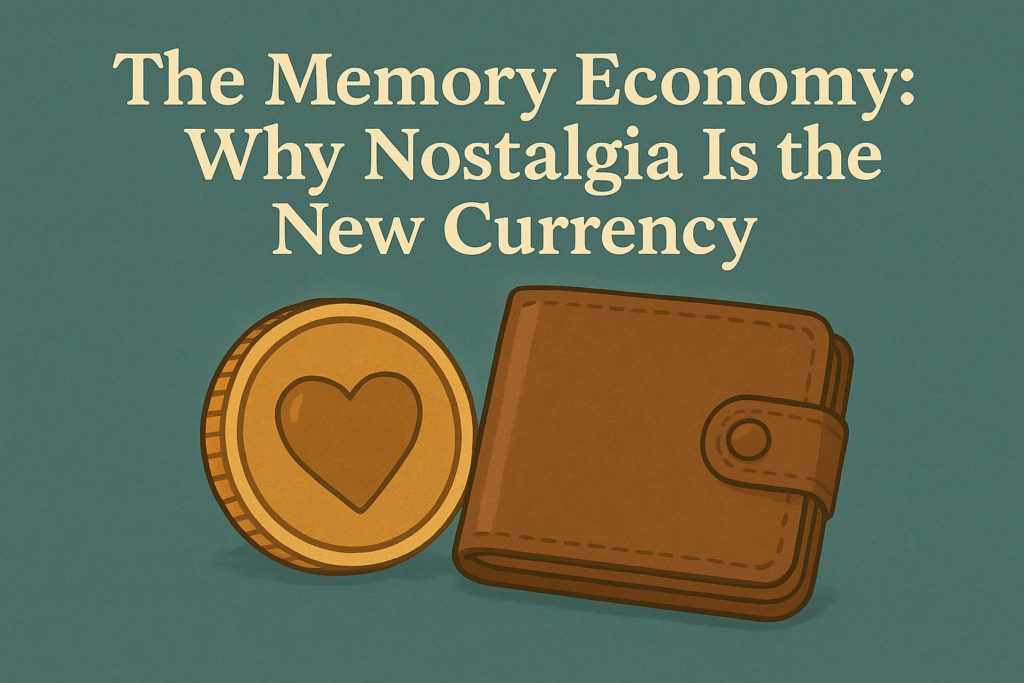
What Is the Memory Economy?
The memory economy refers to the growing value placed on nostalgia, personal history, and emotional storytelling, especially in business, marketing, and digital experiences. It’s an era where emotions are monetised, and the past is repackaged for present-day relevance.
In short, we don’t just remember, we buy, follow, and share based on what we remember.
This explains the surge in:
- Vintage fashion and retro gaming
- Reboots of early 2000s TV shows
- Y2K-style edits on social media
- Childhood snacks returning to shelves
- The rise of AI-generated childhood photos or “90s-style” filters
These aren’t just trends. They’re emotional triggers, and they work.
Why Nostalgia Sells
- It’s Emotionally Safe In a fast-changing world, the past feels comforting. It reminds us of simpler times, or at least, how we remember them.
- It’s Universal Whether you grew up in London or Lagos, everyone has a childhood, a first crush, a favourite show, or a memory that shaped them. Nostalgia connects across cultures and generations.
- It’s Powerful Marketing Studies show that nostalgia makes consumers more likely to spend, more likely to trust, and more likely to engage. It’s a shortcut to emotional buy-in.
Examples of the Memory Economy in Action
- Spotify Wrapped — turns your listening history into a shareable memory.
- Polaroid & Film Cameras — a resurgence in analogue media as digital feels “too perfect.”
- AI ‘90s Yearbook Trends — apps that transform your current photos into retro looks, going viral overnight.
- TV & Film — franchises like Stranger Things, Cobra Kai, and Barbie thrive on resurrecting past icons with a modern twist.
- Social Media Features — “On This Day” or “Memories” prompts on Facebook, Instagram, or Google Photos remind you what mattered years ago.
These platforms understand something critical: we’re all seeking meaning, and memories are where meaning lives.
How TimeLock Fits Into This
TimeLock isn’t just an app. It’s a personal tool in the wider memory economy.
While brands monetise nostalgia, TimeLock gives individuals the power to preserve, protect, and personalise their memories, without needing to go viral.
- You’re not just storing a photo. You’re sealing a feeling.
- You’re not just writing a note. You’re writing to the future.
- You’re not just posting content. You’re building a legacy.
As the digital world becomes increasingly ephemeral, Time Lock stands out by offering permanence in a swipe-based culture.
The Shift From Content to Meaning
We’re saturated with content. Scrolling for hours, saving nothing. Watching stories that disappear in 24 hours. Recording moments that never leave our camera roll.
The memory economy signals a shift from content to meaning. From quick impressions to lasting impressions.
Tools like TimeLock, memory journals, AI scrapbooks, and even private VR memory spaces are part of a movement that wants to pause, reflect, and remember on purpose.
Are Memories the New Currency?
In a way, yes.
- Socially, they connect us. You share a memory, someone relates, a bond is formed.
- Culturally, they revive interest. A trend resurfaces, and suddenly millions feel “seen.”
- Economically, they convert. Nostalgia sells because it feels real.
Whether you’re a brand or an individual, memories are no longer passive. They’re active assets.
Final Thought: Nostalgia Isn’t About the Past, It’s About the Future
Here’s the twist: nostalgia isn’t really about the past.
It’s about how we see ourselves in the past, and what that says about who we want to be next.
When you store a moment in Time Lock, you’re not escaping the present — you’re enriching the future. You’re saying:
- “I want to remember this.”
- “This version of me matters.”
- “This story is worth saving.”
In a world where everything is temporary, meaning becomes rare. And memory? Memory becomes priceless.
Other Time Capsule Reads You’ll Love:
- The Rise of MemoryTech: Apps That Preserve Your Life
- What to Put in a Time Capsule: 50+ Ideas for Every Milestone
- Quote Capsules: Weekly Inspiration to Send to the Future
- How to Store Your Baby’s First Years in a Digital Capsule
Join us on the mission.