Why Do We Feel Nostalgia?
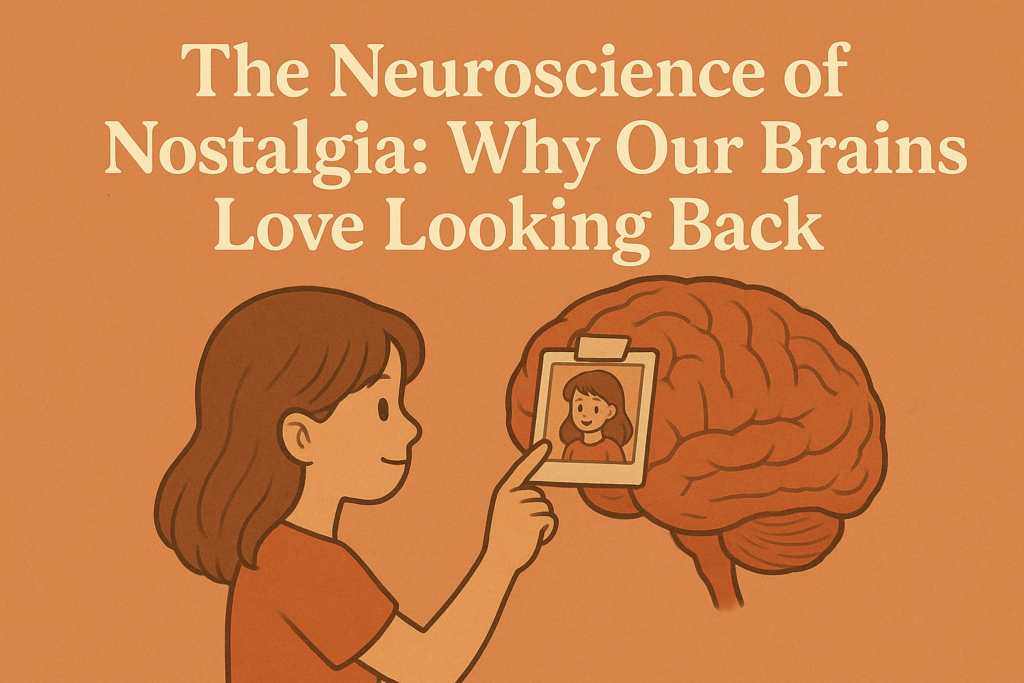
That warm, slightly bittersweet feeling when you hear an old song or see a childhood photo? That’s nostalgia. It’s more than just a passing emotion; it’s deeply wired into our brains.
Nostalgia helps us connect our past to the present. It gives meaning to our experiences and helps us form a sense of identity. But what’s happening in the brain when we feel it?
The Brain’s Response to Nostalgia
When we experience nostalgia, several key areas of the brain light up:
- The hippocampus, which handles memory and emotion
- The prefrontal cortex, involved in reflection and planning
- The amygdala, which manages emotional processing
These regions work together to retrieve vivid memories, often with strong emotional ties. That’s why nostalgic moments can feel so real; your brain is reactivating the original experience.
Studies show that nostalgia can even increase dopamine and serotonin, the “feel-good” chemicals that boost mood and reduce stress.
Why Nostalgia Can Be Good for You
Far from being a distraction, nostalgia can actually help improve your mental well-being. Here’s how:
- Improves mood: Reminiscing can ease anxiety and lift your spirits.
- Strengthens identity: Reflecting on the past helps define who you are.
- Boosts connection: Shared memories deepen bonds between people.
- Encourages resilience: Remembering that you’ve overcome hard times in the past helps you face present challenges.
Nostalgia isn’t about getting stuck in the past; it’s about learning from it.
Why Our Brains Prefer Tangible Memories
There’s a reason we love photo albums, voice notes, or handwritten letters. Our brains are drawn to sensory memory, memories tied to sound, visuals, and even touch.
The more senses involved in a memory, the stronger the recall. That’s why hearing a certain song or smelling a familiar perfume can instantly transport you to another time.
How Time Capsules Enhance Nostalgia
Creating a time capsule is a powerful way to harness nostalgia with intention. It allows you to:
- Capture meaningful moments
- Preserve them in a secure place
- Experience the past all over again in the future
Unlike passive scrolling through photo libraries, a time capsule is curated; it holds what really mattered to you at that time.
TimeLock takes this idea further by letting you:
- Store audio, video, photos, and notes
- Set a specific future unlock date
- Share capsules with loved ones
- Keep everything private, secure, and digital
Nostalgia in the Digital Age
While memory used to live in shoeboxes or diaries, today we’re overwhelmed by digital content, much of it fleeting and disposable.
But nostalgia thrives on depth, not quantity. The average person has over 10,000 photos in their phone, but how many actually spark emotion?
Time capsules create space for meaningful memory-keeping. It’s not about saving everything, it’s about saving what truly matters.
Why This Matters Now
In a world moving faster than ever, nostalgia helps us pause and reflect. It reminds us of who we were, what we’ve lived through, and who we want to become.
As our digital lives expand, so should our tools for memory. Apps like TimeLock aren’t just storage; they’re emotionally intelligent memory keepers.
They allow you to look back with clarity, intention, and even joy.
Final Thoughts
Nostalgia isn’t just a feeling; it’s a biological response that brings comfort, motivation, and meaning. By preserving your memories through time capsules, you’re not only future-proofing your life stories, you’re giving your brain a reason to feel good.
Whether you’re documenting your child’s first laugh, a love letter, or your personal goals, make sure it’s stored somewhere that honours how important it truly is.
Create your first capsule with TimeLock, and your future self will thank you.
Related Blog Posts to Explore
- Can Digital Journaling Improve Your Mental Health?
- Top 5 Apps for Preserving Digital Memories in 2025
- Can Digital Journaling Improve Your Mental Health?
- Best Inspirational Quotes to Revisit in 5 Years
Join us on the mission.