Nostalgia as a Marketing Superpower
In a world of rapid innovation and constant content, one emotion continues to cut through the noise: nostalgia. More than a feeling, nostalgia has become a powerful marketing tool, and savvy brands are using it like a time capsule to reach our hearts, wallets, and memories.
In this article, we’ll unpack how companies tap into “time capsule marketing,” explore famous campaigns, and look at how your brand or project (yes, even something like TimeLock) can use nostalgia in meaningful, future-focused ways.
Why Nostalgia Works in Marketing
Nostalgia triggers the emotional part of our brains. It brings comfort, familiarity, and a sense of identity. According to psychology studies, when people feel nostalgic, they’re more likely to feel optimistic, generous, and even spend more.
In short? Nostalgia sells, but it also connects.
When brands reference the past, they’re not just trying to sell a product. They’re offering you a version of yourself you want to remember.
Classic Examples of Nostalgic Branding
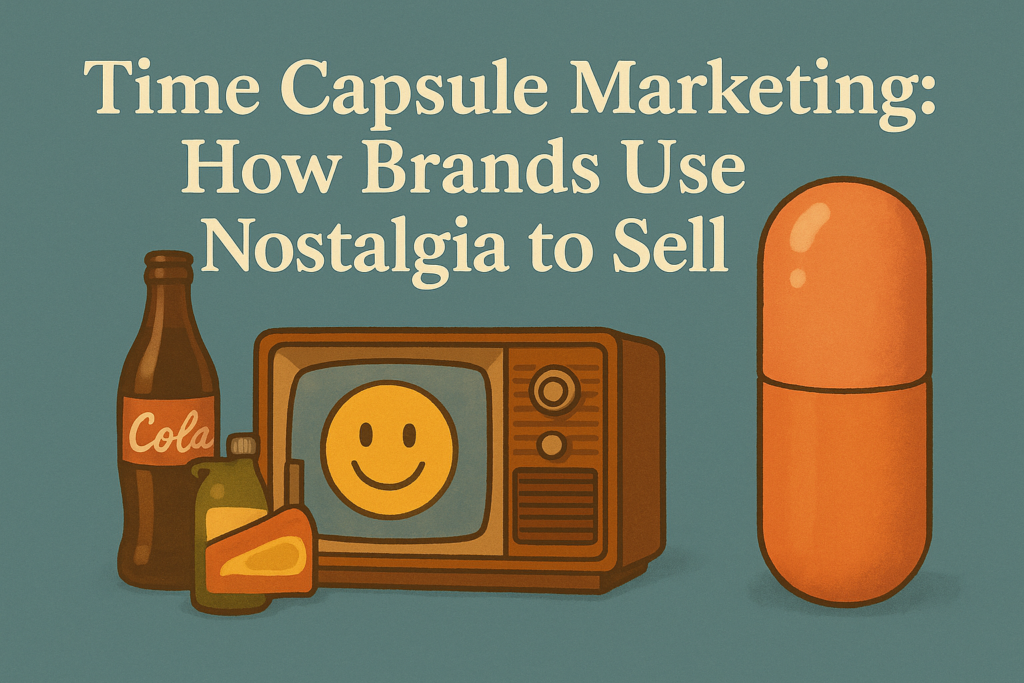
Some of the most iconic marketing campaigns use nostalgia like a carefully sealed time capsule. Here are just a few standout examples:
- Coca-Cola’s Vintage Packaging: Limited edition bottles styled like the 1950s and 1980s appeal to generational memory and pop culture history.
- Nintendo’s Classic Consoles: By re-releasing the NES and SNES with original games, Nintendo gave millennials a way to revisit their childhoods — and share it with their own kids.
- Apple’s “Macintosh Turns 30” Campaign: Instead of pushing specs, Apple celebrated stories. Their 30-year retrospective focused on creativity, memory, and legacy.
- Stranger Things x Brands: From LEGO sets to Eggo waffles, brands partnering with Stranger Things embraced 1980s nostalgia to build emotional familiarity with new audiences.
Each of these campaigns taps into memory. They don’t just promote a product, they let customers relive a moment.
What Is Time Capsule Marketing?
Time capsule marketing is the strategy of embedding nostalgia, legacy, or emotional reflection into a brand’s story or product.
Rather than focusing only on the “now,” this strategy:
- Looks backwards (to spark emotion)
- Speaks to legacy (to create meaning)
- Looks forward (to build anticipation)
It’s not just about selling old stuff. It’s about honouring the past and shaping a narrative that makes your audience feel part of something bigger.
Why It’s So Effective Right Now
We live in a digital culture of disposability. Content disappears in 24 hours. Trends shift overnight. In that chaos, consumers crave something lasting — something that reminds them of who they were before the noise.
Time capsule marketing works because it:
- Offers emotional grounding in fast-paced digital life
- Helps brands stand out with human storytelling
- Feels authentic in an age of algorithms and AI
This is exactly why platforms like TimeLock, which allow users to store memories for the future, resonate so deeply. People aren’t just sharing content anymore; they’re preserving meaning.
How Brands Are Creating Digital Time Capsules
More companies are now taking the concept literally by building digital memory projects. Here’s how some are embracing time capsule thinking:
- Spotify Wrapped: A personal memory capsule of your year in music. It’s not just a playlist — it’s a digital reflection of who you were.
- Facebook Memories / On This Day: These features tap into your personal nostalgia to keep you engaged and emotionally invested in the platform.
- Google Year in Search: Not just data, but a collective time capsule of curiosity and culture.
These examples show how digital platforms are becoming spaces not just for consumption, but for emotional memory preservation.
TimeLock: A Modern Brand Built on Time Capsule Thinking
At TimeLock, we’re not just watching the trend; we’re building the infrastructure for it.
We believe that memory is the most valuable currency of the future. In a world of brainrot content and algorithm-driven distractions, our mission is to help people pause, reflect, and preserve meaning.
Whether it’s a birthday message to your future self or a digital legacy for your children, every capsule created in Time Lock is part of a bigger movement: MemoryTech.
5 Ways Your Brand Can Use Time Capsule Marketing
Want to make your brand feel more human and lasting? Here are practical ways to embed time capsule thinking:
- Tell your origin story — especially if it’s over a decade old. Show your roots.
- Create anniversary campaigns — highlight “10 years ago today” moments.
- Let customers contribute memories — UGC (user-generated content) tied to emotional stories.
- Use retro design styles sparingly — fonts, colours, or packaging from your early days.
- Launch a digital time capsule — let your audience store something meaningful with your brand attached to it.
Final Thoughts: Nostalgia That Builds the Future
Time capsule marketing isn’t about living in the past; it’s about honouring it while creating something lasting.
In an era obsessed with now, nostalgia offers a pause. In an attention economy, it offers depth. And with platforms like Time Lock, memory itself becomes a brand asset.
Whether you’re a marketer or a memory maker, one thing is clear: The future of branding is emotional. And memory is the medium.
Related Blog Posts to Explore
- Quote Capsules: Weekly Inspiration to Send to the Future
- Digital Time Capsules: The Future of Memory Keeping
- How Time Lock Is Changing the Way We Remember
- How Different Cultures Celebrate Memory Keeping
Join us on the mission.